
There is a moment I look forward to every time I travel for work.
As I make the familiar drive home, I begin to feel excited. The closer I get, the more I anticipate turning onto my street, pulling into the driveway, and walking through the front door. I often joke that I still get butterflies, but it’s true. Even after all these years, coming home continues to be one of my favorite feelings.
It isn’t because my home is perfect. There are always projects waiting to be finished, gardens that need tending, and rooms I’d still like to refresh. Like most homes, ours continues to change, and I hope it always will.
What I look forward to is the feeling of walking into a place that reflects the life we’ve built. That place that welcomes us after a busy week, supports our everyday life and routines, and feels like home.
Looking back, I don’t think I intentionally set out to create that feeling. It happened over many years, as my understanding of what makes a home beautiful began to change.
And in many ways, that’s the story of Evera Design.

Intentional Design Started Well Before I Realized It
I’ve loved creating a home for as long as I can remember.
As a little girl, I rearranged my bedroom almost every month. My father had painted my walls a soft lilac, my mother had dressed my bed in clean white bedding, and I found joy in moving furniture, organizing my belongings, and imagining how small changes would make my room feel different. I didn’t know anything about design styles or decorating trends. I knew that when my bedroom felt calm and beautiful, I did too.
That love stayed with me as I got older. When I bought my first home, I was so excited to start decorating. I had piles of decorating magazines, followed trends, and tried it all, from sponge-painted walls to Tuscan-inspired decor. I even hired a professional to help me choose paint colors and understand why certain colors worked together and why some rooms felt better than others.
Looking back, every home taught me something. Every room I decorated, project tackled, and mistake I made helped me change the way I think about life and home. For a long time, I believed decorating decisions created beautiful homes. I was always looking for the right furniture, trying to choose the right paint color, and styling every room just so; thinking everything else in my life would fall into place.
Then life changed.

When Life Changed, So Did My Home
There was a season in my life when everything looked different.
My son had graduated and was starting to build a life of his own. Around that same time, I made one of the biggest decisions of my life. I packed everything I owned, moved to a new city, and, for the first time, was living on my own. Naturally, my furniture came with me, including every Tuscan piece I had so carefully chosen over the years.
At first, when I started setting up my apartment, I thought I needed a new decorating style to start over. Looking back now, I can see that wasn’t really what I was searching for. I was searching for a home that represented the life I was beginning to build.
My days had changed. I was working from home, my routines looked different, and for the first time in years, I had the space to ask myself different questions.
It wasn’t What color should I paint this room? or What’s the latest trend?
It was How do I want to feel when I wake up? What would make coming home after a work trip feel peaceful? How could my home better support my everyday life?
Without realizing it, I had stopped decorating rooms and started creating the life that would unfold with each space.
Those changes didn’t happen overnight. It happened slowly. Looking back, I think that’s when home began to mean something different to me, and every home since has reflected that change. It was no longer about what our home looked like to the outside world. I was trying to create a home that supported the season I was in, which was intentional design.
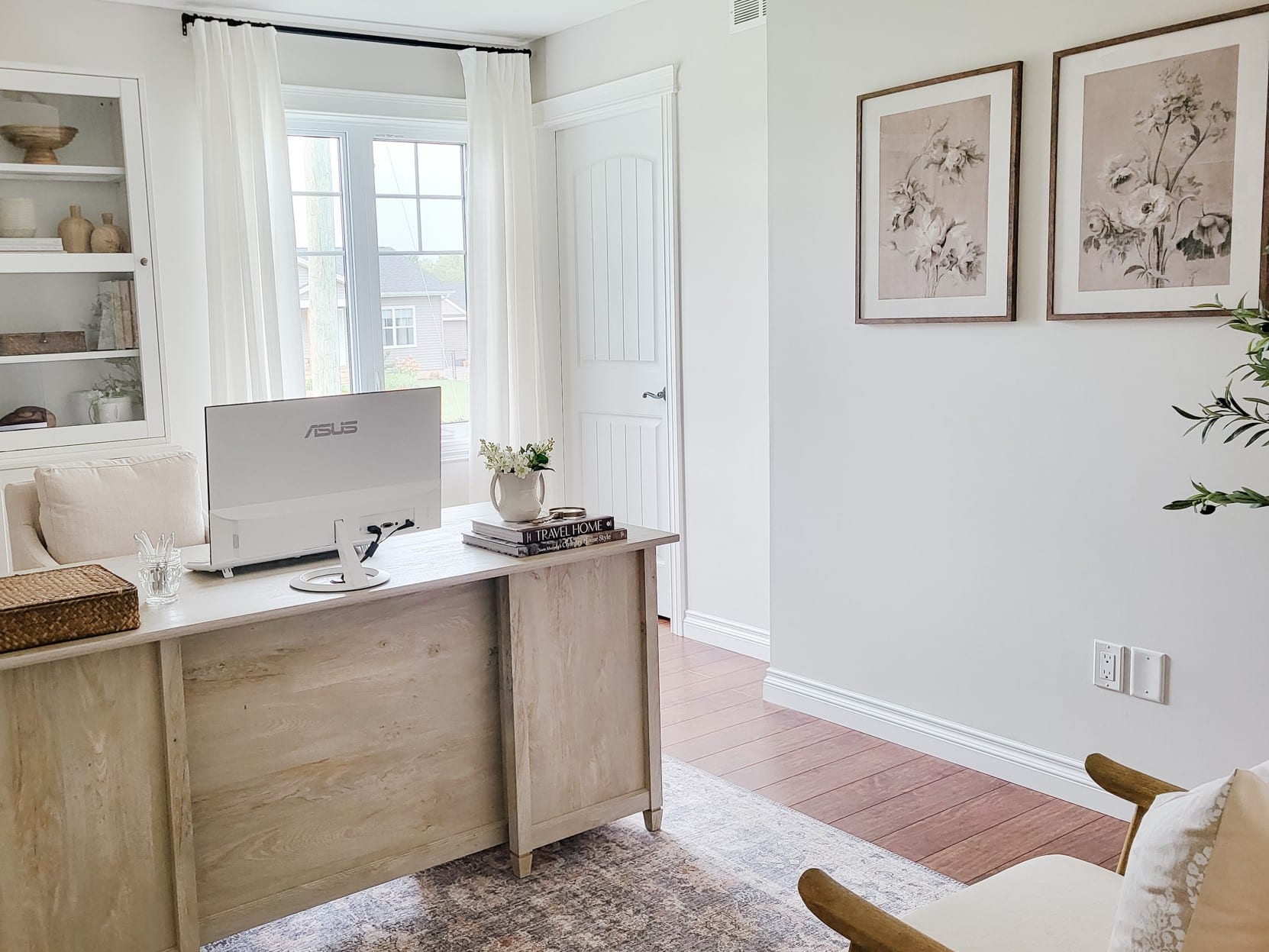
Homes Are Meant to Grow With Us
Eventually, I met my husband, and together we bought the home we live in today.
Like many couples, we had plenty of ideas and a long list of projects. We also had a limited budget, and it naturally slowed us down. We couldn’t renovate everything at once or furnish every room exactly the way we imagined.
At the time, it felt like a limitation. Looking back, I see it as one of the greatest gifts our home has given us.
Because we couldn’t do everything immediately, we had to live in each room before changing it. We learned which spaces worked well, where we loved to gather, and what each room needed to support us. Every improvement became a well-thought-out decision rather than an impulsive one.
Without realizing it, our home was teaching us a different way to think about home. We stopped asking, “What’s next on the renovation list?” and started asking, “What would make life better here?“
That question changed everything, and it’s one we still come back to today.

The Home You’re Living In Today
One of the greatest lessons our home has taught me is that there isn’t a finish line.
There will always be another project, another room to refresh, another idea waiting for the right time. That’s part of what makes creating a home so enjoyable. It grows and changes as we do.
For a long time, I thought I was working toward a home that would eventually feel complete. Now I see that I was really creating a home that could grow with our lives.
I’ve never thought of this home as our forever home. Could we move someday? Perhaps. Life is known for bringing new seasons when we least expect them.
What matters to me isn’t whether this is the last house we’ll ever own. What matters is that it supports the life we’re living today.
Once I realized that, I stopped feeling like I had to rush toward some future version of home.
Instead of waiting for the dream house, having enough money, or the right time. I’ve started to appreciate the home I’m living in right now. Every season of life deserves a home that feels cared for.
If life leads us somewhere else one day, I’ll begin again. Not because this home wasn’t enough, but because every season deserves to feel like home.

Why Evera Design Exists
When I started Evera, I didn’t want to just share decorating ideas and organizing tips. I wanted to create a place where women could find encouragement to create homes that supported the season of life they were in because we are all different.
I’ve learned that a beautiful home isn’t about how much money you spend or how quickly you complete the next project. It’s created over time to support the life you are living.
That’s the heart of Evera, where you’ll find inspiration in home decorating, diy home projects, home organization, and outdoor and seasonal living.
But underneath every project, every article, and every idea is the same belief:
Intentional design means creating a home that evolves with the life you’re living.
If you’re decorating your first home, refreshing a room you’ve lived in for years, simplifying your routines, or looking for a little inspiration, you’ll find ideas at Evera Design that can make everyday life feel a little more beautiful, a little more intentional, and a little more like home.

Your next step
Are You Ready to Begin
Every home is different, and every season of life brings something new. If you’re ready to create a home that supports the way you live, the Start Here page will help you explore Evera and find the ideas that fit your home in this season of life.

Cheryl is a mom, wife, and the heart behind Evera Design—a space for creating beautiful, livable homes.
She shares practical ideas and real-life inspiration to help everyday spaces feel calm, comfortable, and personal.


Love this! Great post!
Thanks, Stephanie!
I love this! We’ve been going space by space to declutter our home, we try to do this every few years. It feels so refreshing to have intentional use of our spaces! Thanks for this guide and tips!
It is such a good feeling! Glad you enjoyed the tips!